The start of the year is often a natural reset point for both employees and organisations. After the festive period, many people are refocusing on routines, priorities and goals, making January a valuable opportunity for employers to reflect on how wellbeing and performance are supported throughout the year.
With Blue Monday often referenced at this time, it provides a useful prompt to check in — not because something is “wrong”, but because proactive conversations can make a real difference.
Supporting employee wellbeing and maintaining performance are not competing priorities. When approached well, they reinforce each other. Employees who feel supported, listened to and treated fairly are more likely to stay engaged, perform well and raise concerns early.
It’s not unusual to see changes in attendance patterns following the festive period. Having clear, well-communicated sickness absence processes helps managers respond confidently and consistently, while giving employees clarity on what to expect. Fairness and transparency are key here, particularly as changes to Statutory Sick Pay eligibility that take effect from April 2026 will expand Statutory Sick Pay eligibility, and increase expectations on employers to demonstrate reasonable, well-documented decision-making around absence, wellbeing and performance management.
At Nuvo HR, we encourage clients to approach wellbeing conversations as part of everyday people management, rather than something reserved for moments of difficulty. Regular check-ins help build trust and open communication, making it easier to address small issues before they become more disruptive. These conversations are focused on understanding what support might help an individual perform at their best, while remaining clear about role expectations and responsibilities.
Managers play a key role in supporting wellbeing, and with the right structure and guidance, these conversations can be both straightforward and effective. Providing managers with guidance, confidence and a clear framework makes these discussions far more effective. When wellbeing and performance are discussed together — rather than separately — outcomes tend to be more positive for everyone involved.
Refreshing your workplace policies at the start of the year is not just about compliance – it’s a strategic step to strengthen your organisation. By acting now, businesses can ensure policies reflect modern working practices, support employee wellbeing, and clearly communicate expectations to managers and teams alike.
With the 2026 employment law changes approaching – from day-one parental rights and SSP reforms to enhanced whistleblowing protections and updated pay rates – a proactive review helps businesses stay ahead of legislation rather than reacting under pressure. This approach builds trust, reduces risk, and demonstrates that your organisation is forward-thinking and people-focused.
A well-executed policy refresh creates clarity throughout the organisation. Managers gain confidence in applying rules consistently, employees understand their rights and support options, and the business benefits from a framework that drives engagement, performance, and a positive culture.
As expectations around employee wellbeing continue to evolve, organisations that embed supportive, consistent and practical approaches into their day-to-day management will be well placed for the year ahead. Blue Monday may simply be a moment in the calendar, but it serves as a useful reminder that wellbeing works best when it’s ongoing, considered and aligned with good performance management.






 Why January is the ideal time to refresh workplace policies

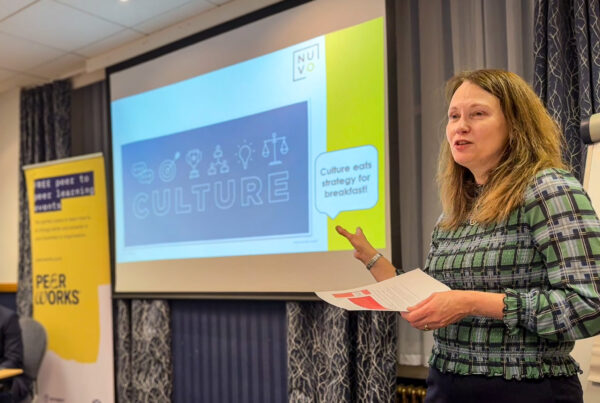 Nuvo HR x Peer Works Session: Culture, Compliance & Engagement
 Worker Protection Act (1 Year On)