

What you need to know
• From July 2026, employees can claim unfair dismissal after just six months, down from the current two-year qualifying period
• This makes how you manage people from day one significantly more important
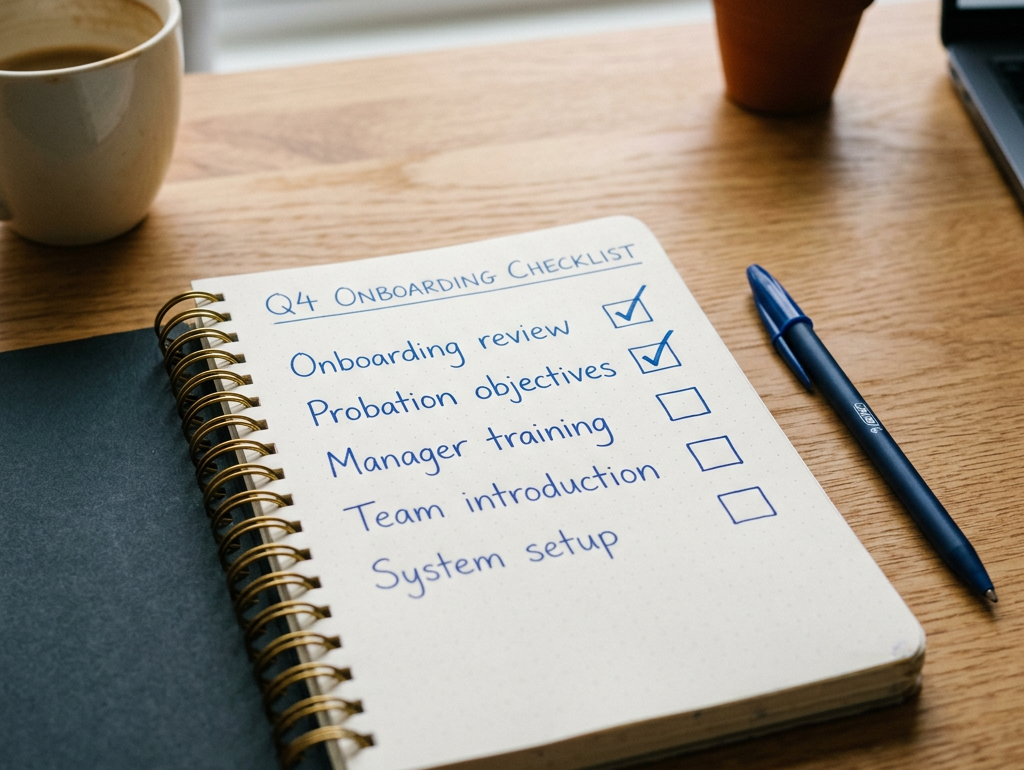
• Probation periods will be a key tool, with regular check-ins, clear objectives and honest feedback
• Documentation matters more than ever, so record key conversations and support throughout
• Line manager training is often the biggest gap for SMEs, so invest in this now
• Most employers won't need to start from scratch, just review and consistently apply what you already have



Alison Paton, Director at Nuvo HR
FAQs: Unfair Dismissal Rule Changes 2026
What is the new unfair dismissal qualifying period?
Under the upcoming reforms, employees will be able to bring an unfair dismissal claim after just six months of employment. This replaces the current two-year qualifying period that has been in place for employees starting work from April 2012 onwards.
When do the unfair dismissal rule changes come into effect?
The changes are due to take effect from July 2026 and will apply to employees recruited on or after that date. Employees already in post before July 2026 will remain subject to the existing two-year qualifying period.
Do the new rules apply to existing employees?
No — the reforms are expected to apply to new hires only. Employees who started before the July 2026 commencement date will not be affected and the current two-year qualifying period will continue to apply to them.
What should an employer do during a probation period?
Best practice is to hold regular structured check-ins, set clear and measurable objectives from the outset, and give honest, constructive feedback throughout. Any concerns about performance or conduct should be raised early and documented — this protects both the employee and the employer if issues escalate.
Do I need a formal probation period policy?
While there is no strict legal requirement to have a probation period, having a clear, written policy that is communicated to employees at the start of their employment is strongly advisable. It sets expectations, supports consistent management, and provides an important paper trail should a dispute arise.
What records should employers keep?
Employers should document probation review meetings, any performance or conduct concerns raised, the support or training offered in response, and the outcome of those conversations. Records should be kept securely in line with GDPR obligations and your organisation’s data retention policy.
Further Reading
- ACAS — https://www.acas.org.uk/employment-rights-act-2025
- GOV.UK — https://www.business.gov.uk/campaign/employment-changes/
- GOV.UK —https://www.gov.uk/government/publications/summary-of-stakeholder-roundtables-on-unfair-dismissal-changes/unfair-dismissal-changes-summary-of-stakeholder-roundtables
- CIPD — https://www.cipd.org/uk/views-and-insights/thought-leadership/insight/employment-law-changes-januarry-2026/